
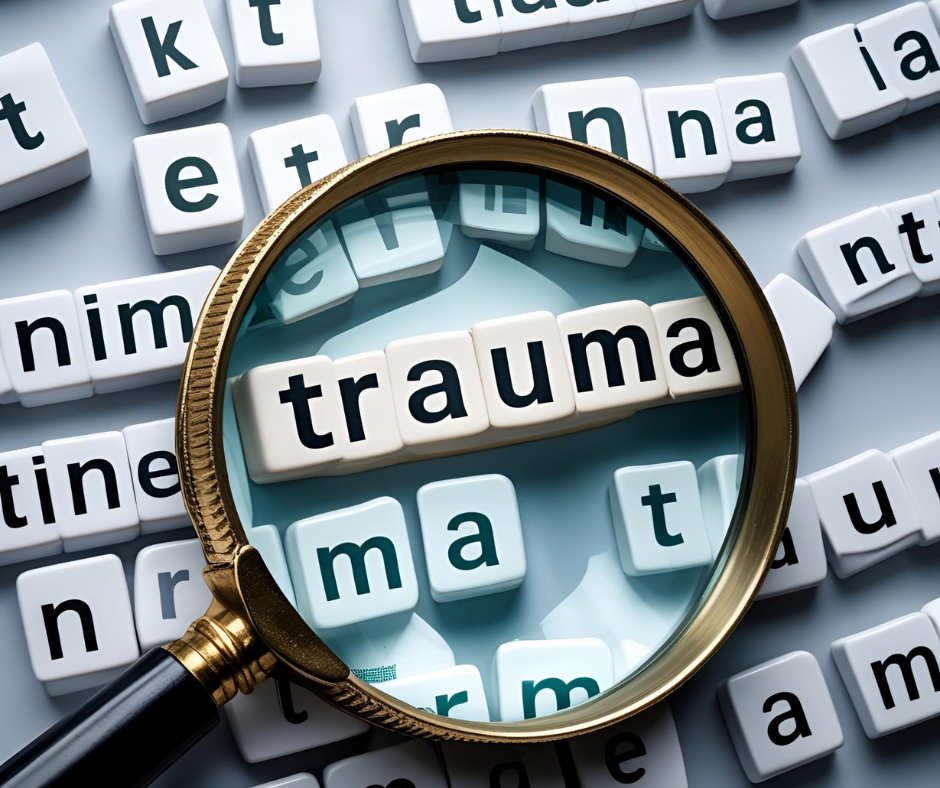
These days, the word trauma is everywhere. It shows up in headlines, on social media, and in everyday conversations. Almost any hard experience—from a difficult discussion to a life-altering tragedy—can get labeled as trauma. But the Three E’s of Trauma remind us that true trauma has a clear definition that goes far beyond everyday stress.
There’s no question: trauma is trendy right now. And in some ways, that’s a good thing. More people are becoming aware of the impact trauma can have and how we can respond with compassion and care.
But there’s also a downside to using the word too loosely. When trauma means everything, it starts to mean…nothing. And that can make what should be a serious topic much easier to dismiss or ignore.
As a missiologist, I’ve seen this pattern before. Stephen Neill once said, “If everything is mission, nothing is mission.” What he meant was that if we define mission so broadly that it includes everything, it eventually loses all meaning.
The same is true of trauma. If everything is trauma, nothing is trauma.
And if nothing is trauma, we lose any clear reason for trauma-informed care—because there’s nothing specific or significant left to be informed about.
That’s why the Three E’s are so important. They help us define trauma precisely so we can respond wisely and compassionately.
Why We Need Clarity
Trauma isn’t just about suffering—it’s about how overwhelming threat affects the body and mind God designed to protect us.
In our conservative evangelical spaces—especially in circles that emphasize biblical counseling—there’s understandable skepticism about trauma language. It can sound like pop psychology, or even something unbiblical. And to be honest, the way some in our culture use the word trauma isn’t biblical—or scientific, for that matter.
But often, that skepticism comes from a lack of clarity in how the term is used—or misused. When we’re vague or imprecise, it’s easy to dismiss trauma-informed care as just another trend. But when we’re clear and grounded, we can see that this work aligns deeply with biblical compassion and wisdom.
One of the best ways to find that clarity is by understanding the Three E’s of Trauma.
The Three E’s of Trauma
To bring clarity, let’s look at what many professionals call the Three E’s of Trauma—Event, Experience, and Effect.
1. Event
Trauma begins with an event—or a series of events—that involves a real or perceived threat to someone’s safety, life, or well-being.
This can include things like actual or threatened death, serious injury, or sexual violence. But trauma can also result from other overwhelming experiences—like severe neglect, emotional abuse, or betrayal—especially when those experiences strip away a person’s sense of safety or stability.
It’s important to recognize: not every hard or painful experience is traumatic.
Trauma occurs when an event pushes someone beyond their capacity to feel safe or in control. Such an event can leave a lasting imprint that shapes how they think, feel, and relate to the world around them.
2. Experience
What matters deeply is how the person experienced the event.
Two people can go through the same situation—one may walk away relatively unaffected, while the other experiences it as overwhelming, life-threatening, and triggering the brain and body’s natural stress response to danger.
Trauma is subjective. It’s not just about what happened—it’s about how the nervous system responded.
3. Effect
Trauma leaves a mark.
It affects both the brain and the body. It impacts emotions, relationships, and the way a person engages with the world. Sometimes the effects are immediate; other times, they don’t show up until years later.
And again, this varies from person to person. Someone may experience an event as traumatic in the moment, but if it doesn’t leave lasting effects on their brain, body, or relationships, it may have been deeply stressful—but not clinically traumatic.
A Thoughtful Way Forward
So, what do we do with all of this?
Trauma-informed care simply asks:
Given what we know about how trauma affects the brain and nervous system, how can we relate to people in ways that foster safety, trust, and healing?
For many people, trauma is a real consequence of pain and suffering. God, in His wisdom, designed our brains and bodies to protect us from danger. But because of the brokenness of the world—the consequences of the Fall—our brains can become overwhelmed, and those protective systems can be wounded.
That’s why trauma-informed care matters and why understanding the Three E’s can be helpful.
It’s not about being soft.
It’s not about being trendy.
And it’s certainly not about replacing Scripture.
It’s about caring for people in a way that honors both their story and what God has revealed about the human condition—including what we now understand through science.
When we get this right, we can meet suffering people with wisdom and grace.
Because again: if everything is trauma, nothing is trauma.
But when we understand what trauma really is, we can become part of the healing.
Free Resource
If you’d like to go deeper, I’d love to share a practical tool to help you care well:
👉 Download our Personal Safety Plan Template—a resource designed to support trauma survivors in your church or ministry.